
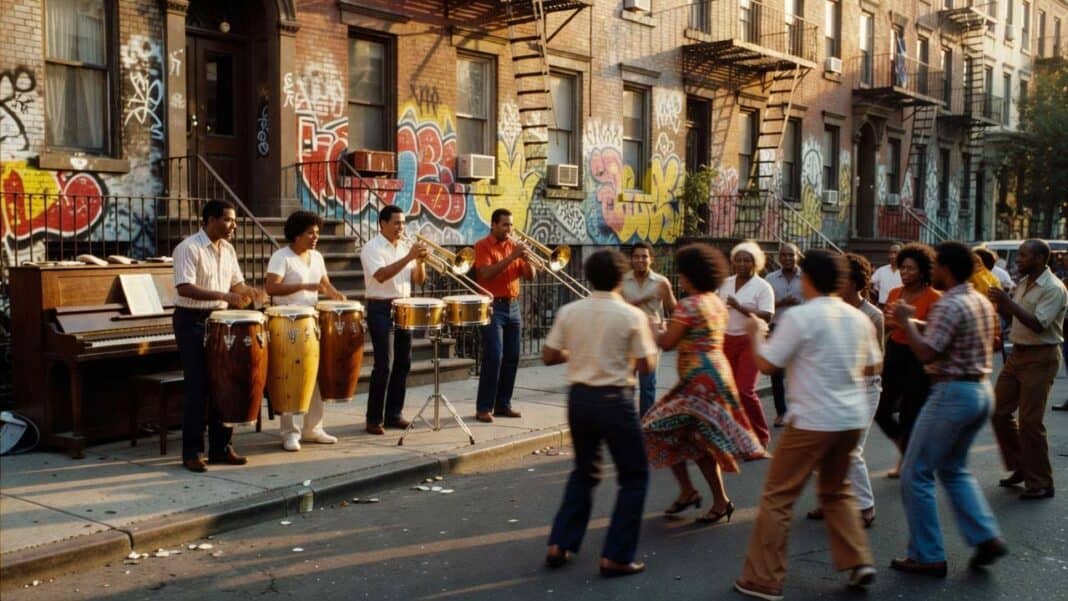
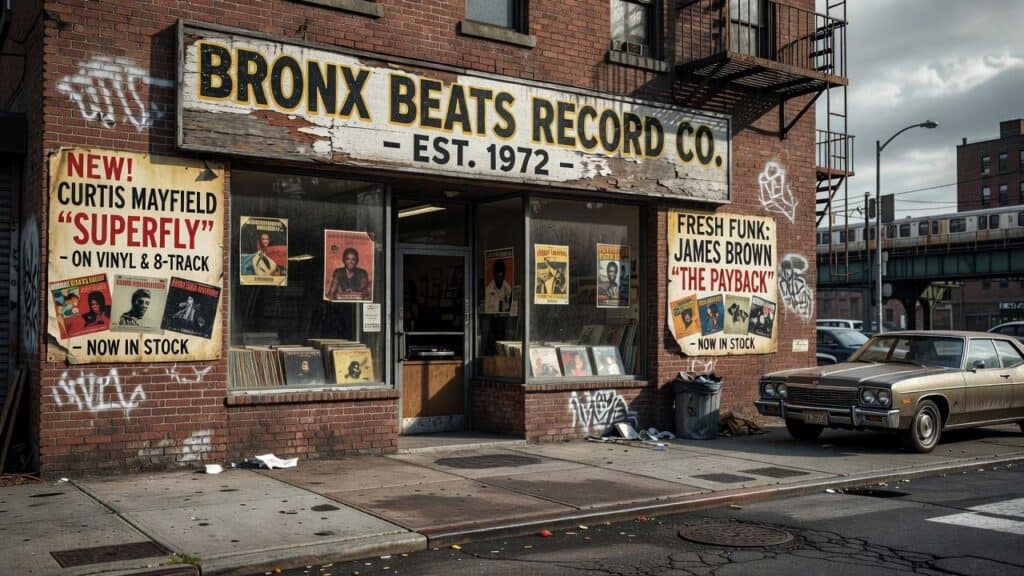
The musical DNA of salsa is Cuban and Puerto Rican — but “salsa” as a genre and a global brand was assembled in New York City in the 1960s and ’70s, mostly by Puerto Rican immigrants in Spanish Harlem and the Bronx, and packaged by a single record label. The ingredients are Caribbean. The dish was cooked in El Barrio.
It’s a sentence that starts bar fights, so let’s lay out the receipt.
First, what salsa actually is
Strip a salsa song down and you find Cuban son montuno at its core — the call-and-response structure, the piano montuno, the clave. Add Cuban mambo and guaracha, layer in Puerto Rican bomba and plena, and top it with American jazz horn arrangements. Salsa isn’t one rhythm; it’s a stack of Caribbean genres with a New York accent.
So if the musical bones are Cuban, why isn’t it called Cuban music? Because of what happened in 1962.
The embargo that opened a door
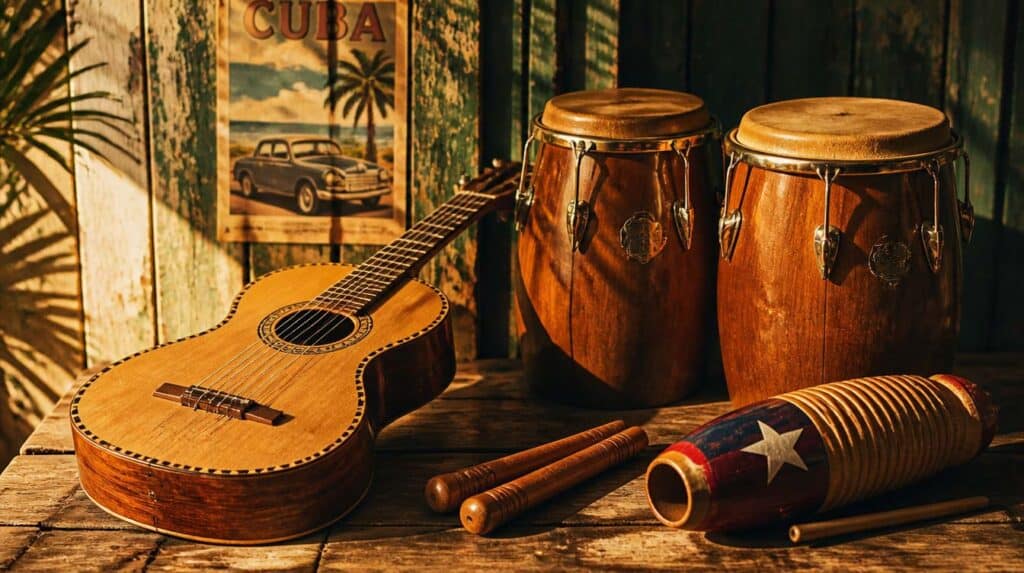
In 1962, the U.S. imposed a full trade embargo on Cuba. Cuban records and Cuban musicians stopped flowing into the United States. The pipeline that had fed America its mambo craze dried up overnight.
But the audience didn’t disappear, and neither did the musicians already living in New York. The city’s huge Puerto Rican community — the Nuyoricans — picked up the Cuban tradition, fused it with their own and with the harder edge of the Bronx, and kept the music alive and evolving. New York became the new capital of a sound that could no longer come from Havana.
Fania: the label that named it
Here’s the branding move. In 1964, Dominican flutist Johnny Pacheco and lawyer Jerry Masucci founded Fania Records in New York. Fania needed a single, marketable word to sell this stew of Cuban, Puerto Rican, and jazz influences under one banner.
The word they ran with was salsa — literally “sauce.” It wasn’t a precise musical term; it was a marketing term, a vibe, a flavor. And it worked. By the early 1970s “salsa” was the name of a movement, and Fania was its empire.
The Fania All-Stars and the night it exploded
Fania assembled a supergroup, the Fania All-Stars, from its roster of monsters: Celia Cruz (Cuban, the Queen of Salsa), Willie Colón and Héctor Lavoe (Puerto Rican), Rubén Blades (Panamanian), Eddie Palmieri, Ray Barretto, and more.
In 1971, their show at the Cheetah Club in Manhattan was filmed for the documentary Our Latin Thing — the moment salsa announced itself to the world. In 1973 they packed Yankee Stadium. This was a New York scene, made of immigrants from across the Caribbean and Latin America, selling a Cuban-rooted sound under a Spanish word coined for the market.
So who “owns” salsa?
Everyone in the chain has a real claim, and that’s the point: – Cuba built the rhythmic and structural foundation (son, mambo, clave). – Puerto Rico — especially its New York diaspora — drove the genre, supplied many of its biggest stars, and added bomba and plena. – New York City is where it was fused, named, recorded, and sold to the planet.
Salsa is what happens when a Caribbean tradition gets exiled, adopted, and rebranded by immigrants in a world city. It’s not less authentic for being a New York invention — it’s more of an immigrant story for it.
The receipt, summed up
The beat is Cuban. The stars are largely Puerto Rican. The name and the industry are New York. Anyone who tells you salsa “comes from” only one of those is selling you half the song. The whole truth is better: salsa is the sound of the Caribbean rebuilt in the Bronx, and then handed back to the world.
Frequently Asked Questions
Where did salsa music originate?
The rhythms come from Cuba (son montuno, mambo) and Puerto Rico (bomba, plena), but salsa as a named genre was developed and branded in New York City in the 1960s–70s, largely by the Puerto Rican community and Fania Records.
Is salsa Cuban or Puerto Rican?
Both — and more. Its musical foundation is mainly Cuban; many of its biggest stars and its New York scene were Puerto Rican. The genre itself was assembled in NYC from across the Caribbean.
Who named salsa music?
Fania Records — founded in 1964 by Johnny Pacheco and Jerry Masucci — popularized “salsa” (Spanish for “sauce”) as a marketing term to sell the music under one banner in the early 1970s.
Why was salsa created in New York and not Cuba?
The 1962 U.S. embargo cut off Cuban music and musicians. New York’s Puerto Rican (Nuyorican) community kept the Cuban tradition alive, evolved it, and made the city the new center of the sound.
Who are the most famous salsa artists?
Fania-era legends include Celia Cruz, Héctor Lavoe, Willie Colón, Rubén Blades, Eddie Palmieri, and Ray Barretto — many featured in the Fania All-Stars.
Salsa was not the last time Caribbean rhythm rebuilt itself somewhere else. The dembow took a similar route through Jamaica and Panama before reggaeton took shape in Puerto Rico, and today corridos tumbados are doing to reggaeton what reggaeton once did to everything else. The shout you hear over the horns has its own history too — wepa.
Salsa was not the only Latin American music carrying political weight in that era. In Chile, nueva canción did it explicitly — and its best-known voice was killed for it in 1973.
Sources
- “Inventing Salsa,” Journeys of Innovation, United States Patent and Trademark Office.
- “How Salsa Music Took Root in New York City”, HISTORY.
Researched and written by Victor Ramirez. Edited and fact-checked by Mia Alejandra Umphrey. Drafting assisted by AI; all facts verified against the sources above before publication. See our editorial standards.
Part of our guide to Latin Music History.