
The short version: Tomatoes, potatoes, chocolate, corn, chili peppers, vanilla, avocado, beans, peanuts and pineapple are all indigenous to the Americas — domesticated by Indigenous peoples thousands of years before 1492. Roughly 60% of the crops grown worldwide today originated in the Americas and only spread across the globe after European contact.
Here’s a fact that rearranges the whole map: before 1492, there were no tomatoes in Italy. No potatoes in Ireland. No chocolate in Switzerland. No chili peppers in Thailand or India. Every one of those foods — the ones now treated as the soul of those national cuisines — was domesticated by Indigenous peoples of the Americas over thousands of years, and only reached the rest of the world after European contact.
The cooks who created them rarely get the credit. So here are ten, and where they actually come from.
Why these indigenous foods from the Americas matter
1. Chocolate
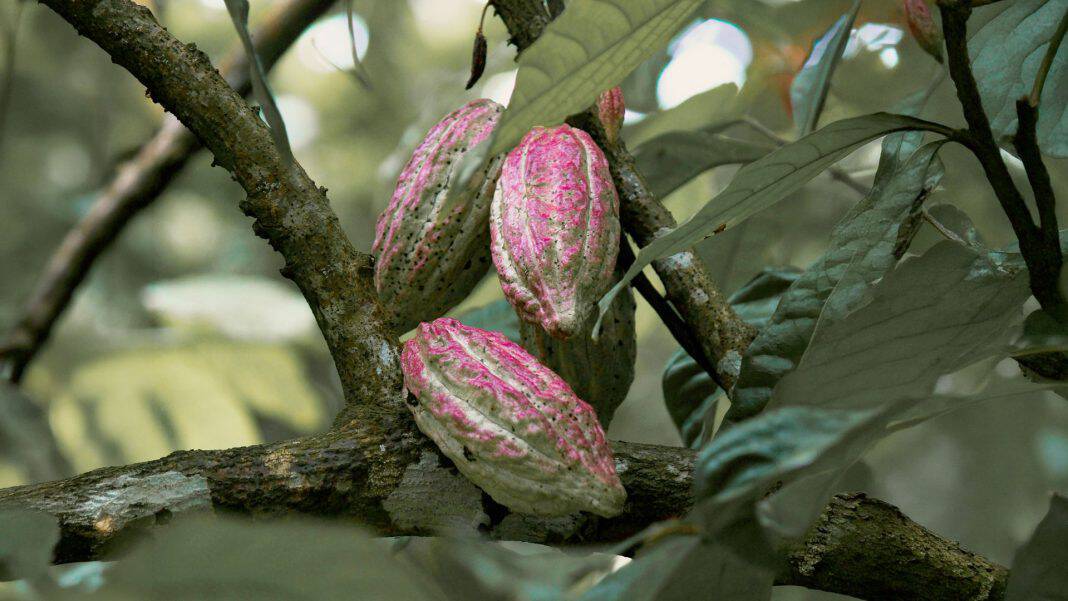
Cacao was domesticated in Mesoamerica. The Olmec, Maya, and Aztec drank it bitter and spiced — xocolatl — and used the beans as currency. Europe added sugar and milk centuries later and slapped its own name on the bar. The plant, the process, and the word are all Indigenous American
2. Vanilla
The world’s second-most-expensive spice comes from an orchid native to Mexico, first cultivated by the Totonac people of Veracruz. For centuries they were the only ones who could grow it — the orchid wouldn’t fruit elsewhere because its natural pollinator didn’t exist anywhere else. (We’ll do a whole piece on this one.)
3. Corn (maize)
Maize was domesticated from a wild grass called teosinte in southern Mexico around 9,000 years ago — one of the most impressive feats of selective breeding in human history. It became the backbone of civilizations from the Maya to the Inca, and today it’s the most-produced grain on the planet.
4. Tomatoes
The tomato is native to the Andes and was domesticated in Mesoamerica; the word comes from the Nahuatl tomatl. It traveled to Europe in the 1500s, where Italians were at first suspicious it was poisonous. Italian cuisine as we know it — marinara, pizza, pomodoro — is barely 400 years old. Aztec cooks had a head start of millennia.
5. Potatoes
Domesticated in the Andes of present-day Peru and Bolivia at least 7,000 years ago, where farmers developed thousands of varieties suited to different altitudes. The potato later became so central to Ireland that a single blight caused a national catastrophe. An Andean crop reshaped European history.
6. Chili peppers
Every chili on Earth — Thai bird’s eye, Indian ghost pepper, Hungarian paprika, Korean gochugaru — descends from peppers domesticated in Mesoamerica and Bolivia. The heat that defines half the world’s “traditional” cuisines is an American export that left after 1492.
7. Avocado
From the Nahuatl ahuacatl. Domesticated in south-central Mexico thousands of years ago. Guacamole is an Aztec dish — ahuacamolli, “avocado sauce” — that predates the brunch industry by about five hundred years.
8. Beans
The common bean — black, pinto, kidney — was domesticated in the Americas and grown alongside corn and squash as the Three Sisters, a companion-planting system Indigenous farmers perfected: corn gives the beans a pole, beans fix nitrogen for the corn, squash shades out the weeds. Agricultural genius, centuries before agronomy was a word.
9. Peanuts
Native to South America, domesticated in the region of present-day Bolivia and Brazil. They traveled to Africa and Asia via colonial trade routes and became staples there — then circled back, which is why so many people assume they’re African or Asian.
10. Pineapple
Native to South America and spread by Indigenous peoples through the Caribbean long before Columbus showed up and “discovered” it on Guadeloupe. The Tupi word nanas — “excellent fruit” — survives in the scientific name Ananas.
The honorable mentions
We had to stop at ten, but the list keeps going: cassava (yuca), quinoa, sweet potato, squash and pumpkin, cranberries, blueberries, pecans, sunflower seeds, papaya, guava, and the turkey on your Thanksgiving table. Roughly 60% of the crops grown in the world today originated in the Americas.
Why it’s worth saying out loud
This isn’t trivia. It’s a correction. The “Columbian Exchange” is usually taught as Europe generously bringing the world together — but the foods that now define global cuisine flowed out of the Americas, carried on the knowledge of Indigenous farmers who spent thousands of years breeding them and were almost never credited. Next time someone calls tomatoes Italian or chocolate Swiss, you’ve got the receipt.
Frequently asked questions
What foods are indigenous to the Americas?
Chocolate, vanilla, corn, tomatoes, potatoes, chili peppers, avocado, beans, peanuts and pineapple all originated in the Americas, along with cassava, quinoa, squash and sweet potato. About 60% of the crops grown worldwide today were first domesticated by Indigenous American peoples.
Are tomatoes originally from Italy?
No. The tomato is native to the Andes and was domesticated in Mesoamerica; its name comes from the Nahuatl tomatl. It only reached Italy in the 1500s through the Columbian Exchange, so tomato-based Italian cuisine is barely 400 years old.
Where does chocolate come from?
Cacao was domesticated in Mesoamerica and drunk by the Olmec, Maya and Aztec as a bitter, spiced drink called xocolatl. Europe added sugar and milk centuries later — the plant, the process and the word are all Indigenous American.
What share of global crops came from the Americas?
Roughly 60% of the crops grown worldwide today were first domesticated by Indigenous peoples of the Americas, including staples like potatoes, corn and cassava that now feed billions of people outside the hemisphere — one of many food origin stories the world rarely credits.
What is the Columbian Exchange?
The Columbian Exchange is the transfer of plants, animals and foods between the Americas and the rest of the world after 1492. It carried American foods like the tomato, potato and chili pepper across the globe, reshaping cuisines everywhere.
Sources
- National Museum of the American Indian, Smithsonian Institution.
- “Foods of the Columbian Exchange,” Digital Collections for the Classroom, The Newberry Library.
Researched and written by Victor Ramirez. Edited and fact-checked by Mia Alejandra Umphrey. Drafting assisted by AI; all facts verified against the sources above before publication. See our editorial standards.

Part of our guide to Latin Food Origins.