
The Garifuna (or Garínagu) are a people born from the union of West and Central Africans who escaped slavery and the Indigenous Caribs of the island of St. Vincent — a free, mixed nation that resisted European colonization, was exiled across the Caribbean in 1797, and survives today across Central America. They are one of the few African-descended peoples in the Americas who were never enslaved — and almost no one is taught their name.
This is a story of shipwreck, resistance, betrayal, and a culture that refused to die.
A nation born from shipwreck
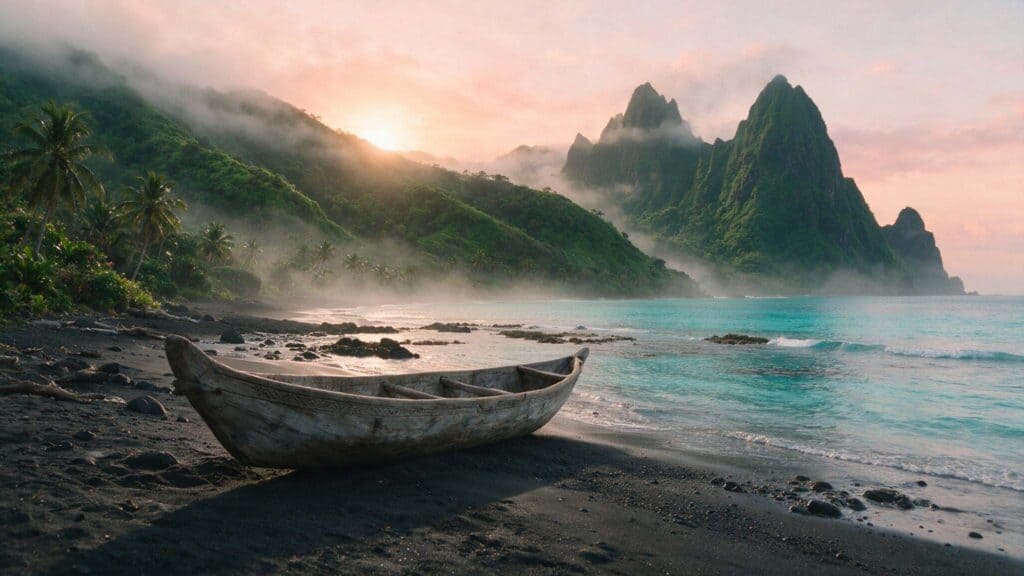
The traditional account begins in the 1600s, when ships carrying enslaved West and Central Africans wrecked or were attacked near St. Vincent (which the Garifuna call Yurumein) in the eastern Caribbean. The Africans who reached shore were not recaptured. Instead they found refuge among the island’s Indigenous people — the Kalinago (Island Caribs) and Arawaks.
Over generations the two peoples blended — bloodlines, language, and culture — into something new: the Garifuna. Europeans called them the “Black Caribs.” Crucially, they lived as a free people on their own land, outside the plantation system that enslaved millions of other Africans across the hemisphere.
The people who fought the British
Free land in the colonial Caribbean was an offense the empires couldn’t tolerate. Through the 1700s the Garifuna fought to keep St. Vincent, clashing with French and especially British forces in the Carib Wars.
Their greatest leader was Joseph Chatoyer (Satuye), who united the Garifuna against British expansion and is today the national hero of St. Vincent and the Grenadines. He was killed in 1795. Without him, the resistance eventually broke.
Exile across the sea
After defeating the Garifuna, the British did something brutal and telling: rather than enslave a people who had never been enslaved, they decided to remove them entirely. In 1797, the British rounded up some 5,000 Garifuna and deported them. Many were held first on the barren islet of Balliceaux, where roughly half died of disease and starvation.
The survivors — about 2,500 people — were shipped across the Caribbean and dumped on the island of Roatán, off Honduras. From that tiny, traumatized founding population, an entire diaspora regrew.
Rebuilding a homeland
From Roatán and the Honduran coast, the Garifuna spread along the Caribbean coast of Central America — into Honduras, Belize, Guatemala, and Nicaragua — building fishing and farming villages and holding tight to their identity. In Belize, Garifuna Settlement Day (November 19) is now a national holiday commemorating their arrival.
Against every odd, the exile became an expansion.
A culture UNESCO calls a masterpiece
What makes the Garifuna story extraordinary isn’t just survival — it’s how much survived. They kept:
- The Garifuna language — an Arawakan base woven with Carib, African, and some French, English, and Spanish. It even preserves distinct men’s and women’s vocabulary, a trace of its dual origin.
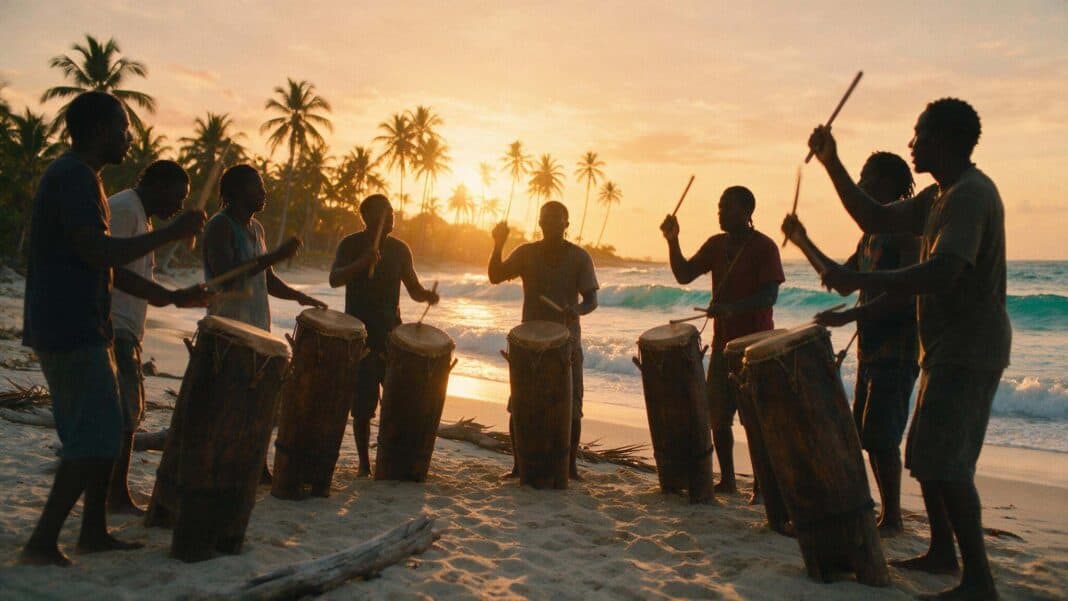
- Punta — the signature drum-and-dance music, and its modern descendant punta rock.
- Sacred traditions like the dügü ancestral ceremony, and staple foods like casabe (cassava bread) and hudut.
In 2001, UNESCO proclaimed the Garifuna language, dance, and music a “Masterpiece of the Oral and Intangible Heritage of Humanity.” A people the British tried to erase are now recognized by the world as a cultural treasure.
Why their story matters now
The Garifuna complicate every easy story about the Americas. They’re African and Indigenous. They’re a Black people who were never enslaved. They survived a deportation that should have ended them and rebuilt a homeland on a foreign coast. In a hemisphere that spent centuries trying to erase Black and Indigenous identity, the Garifuna kept both — and their drums are still playing.
Knowing their name is the least we can do.
Frequently Asked Questions
Who are the Garifuna?
The Garifuna (Garínagu) are an Afro-Indigenous people descended from West and Central Africans who escaped slavery and the Indigenous Caribs of St. Vincent. They live today mainly in Honduras, Belize, Guatemala, and Nicaragua.
Were the Garifuna ever enslaved?
No — that’s central to their identity. The Africans who became the Garifuna escaped slavery and lived as a free people on St. Vincent, blending with the Indigenous Caribs rather than being absorbed into the plantation system.
Why were the Garifuna exiled?
After defeating them in the Carib Wars, the British deported about 5,000 Garifuna from St. Vincent in 1797. Survivors were resettled on Roatán, Honduras, and spread along Central America’s Caribbean coast.
Where do the Garifuna live today?
Primarily along the Caribbean coast of Honduras, Belize, Guatemala, and Nicaragua, with large diaspora communities in the United States, especially New York.
What is the Garifuna language and culture known for?
The Garifuna language, music (punta and punta rock), and dance were proclaimed a UNESCO Masterpiece of Oral and Intangible Heritage in 2001. Their culture also includes the dügü ceremony and cassava-based foods like casabe.
The Garífuna story is one strand of a much larger one. The same forced crossings that produced Garífuna language and drum shaped the West African technique behind mofongo, the Afro-Latino history that Juneteenth tends to leave out, and the archive Arturo Schomburg spent his life assembling precisely because people kept insisting there was nothing to collect.
Sources
- “Language, dance and music of the Garifuna”, UNESCO Intangible Cultural Heritage (inscribed 2001).
- “Garifuna History”, Garifuna Heritage Foundation.
Researched and written by Victor Ramirez. Edited and fact-checked by Mia Alejandra Umphrey. Drafting assisted by AI; all facts verified against the sources above before publication. See our editorial standards.

Part of our guide to Latino Identity Explained.