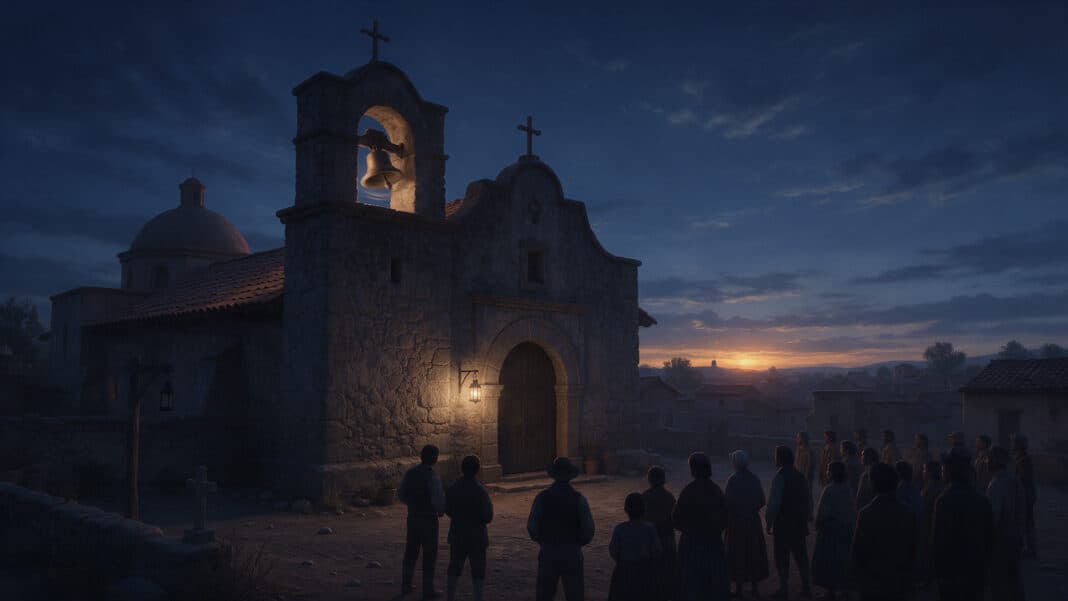

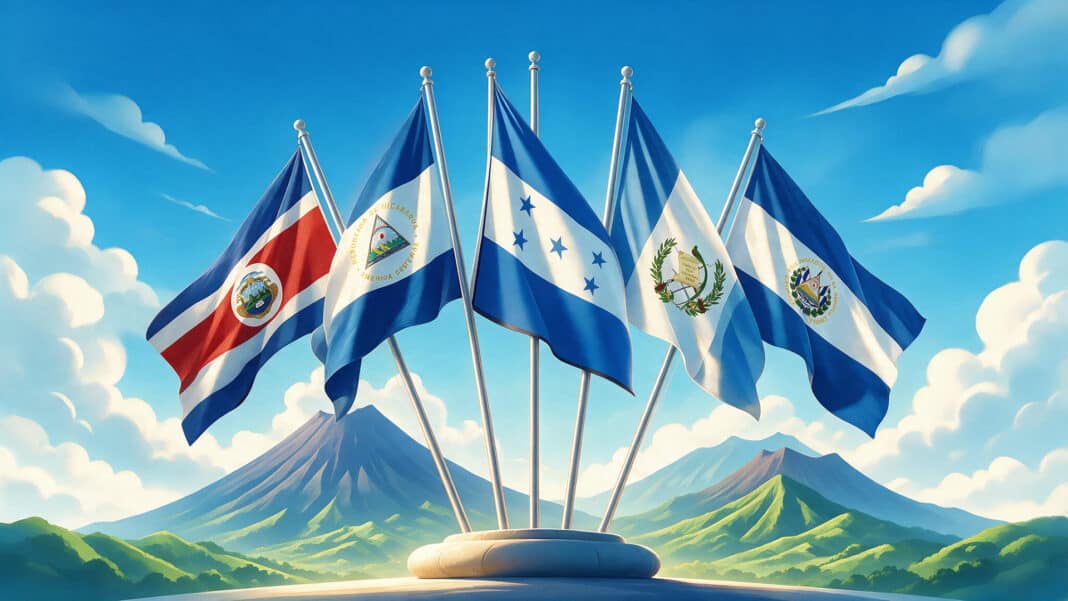
Because it was one document, signed in one room, on 15 September 1821 — and nobody fought over it. Costa Rica, El Salvador, Guatemala, Honduras and Nicaragua did not win separate wars of independence. They signed a single Act, together, and became five countries afterwards.
It is also the reason Hispanic Heritage Month in the United States starts halfway through September rather than at the beginning.
One Act, five provinces
The US State Department’s Office of the Historian records it plainly: the states that became Costa Rica, El Salvador, Guatemala, Honduras and Nicaragua “declared independence from Spain on September 15, 1821.” One date, one declaration.
The document — the Acta de Independencia de Centro América — was drafted by José Cecilio del Valle, a Honduran lawyer, and signed by delegates gathered in Guatemala City. Per the College of Wooster’s archive of the Act: “In declaring their independence, there was no war or blood spilling.”
That last detail is the one most accounts skip. Mexico’s independence took eleven years of war. Central America’s took a meeting.
What happened next was messier
Independence held; unity did not. The five provinces were briefly annexed by Mexico, then broke away and formed the United Provinces of Central America in 1823 under General Manuel José Arce.
The federation “began to dissolve in 1838 and by the early 1840s was all but defunct.” Honduras declared full independence in 1839. What began as one country ended as five — which is why five nations now share a birthday but not a government.
The mid-September cluster
Three more independence days land within days of it, which is why the calendar looks the way it does:
| Date | Country | From | Year |
|---|---|---|---|
| 15 September | Costa Rica, El Salvador, Guatemala, Honduras, Nicaragua | Spain | 1821 |
| 16 September | Mexico | Spain | 1810 (war began) |
| 18 September | Chile | Spain | 1810 |
| 21 September | Belize | United Kingdom | 1981 |
Hispanic Heritage Month was set to run 15 September to 15 October precisely so it would open on that shared date rather than cut across it.
Frequently Asked Questions
Why do five countries share the same independence day?
Because they declared independence together. Costa Rica, El Salvador, Guatemala, Honduras and Nicaragua signed a single document — the Act of Independence of Central America — on 15 September 1821.
Was there a war for Central American independence?
No. The College of Wooster’s archive of the Act states that in declaring independence “there was no war or blood spilling.” It was achieved by declaration, not by fighting.
Who wrote the Act of Independence of Central America?
José Cecilio del Valle, a Honduran lawyer. Delegates from the five provinces gathered in Guatemala City to sign it.
What happened after 1821?
The provinces were briefly annexed by Mexico, then formed the United Provinces of Central America in 1823. That federation began dissolving in 1838 and was effectively finished by the early 1840s.
Is Mexican Independence Day the same date?
No. Mexico marks 16 September, the day in 1810 that its war of independence began — a separate event eleven years earlier and against the same empire.
Why does Hispanic Heritage Month start on 15 September?
So that it opens on the shared independence date of those five Central American countries, with Mexico and Chile following within days.
The dates are the easy part. What the labels mean is harder — see what Hispanic, Latino, Latinx and Latine each actually mean, and why Cinco de Mayo is not Mexican Independence Day, which is the most common mix-up of all.
Sources
- “Central American Federation” Office of the Historian, US Department of State.
- “Act of Independence from Central America” Latin America archive, The College of Wooster.
Researched and written by Victor Ramirez. Edited and fact-checked by Mia Alejandra Umphrey. Drafting assisted by AI; all facts verified against the sources above before publication. See our editorial standards.