
The short version: October 12 marks Columbus’s 1492 arrival in the Americas. Spain named it Fiesta de la Raza in the 1910s, Mexico’s José Vasconcelos tied it to his idea of a “cosmic race” of mixed peoples in 1928, and for decades most of Latin America called it Día de la Raza. Since the 1990s nearly every country has renamed it: Día de la Resistencia Indígena, Día del Respeto a la Diversidad Cultural, Día de las Culturas, Día del Encuentro de Dos Mundos. The US moved the other way in 1937 and only started catching up in 1992. In 2026 it falls on Monday, October 12.
Día de la Raza meaning depends on which decade and which country you ask. The date is fixed: October 12, 1492, the day Columbus’s ships reached an island in the Bahamas. Everything else about the day has been argued over for a century, and the argument is the interesting part.
The date
On October 12, 1492, Columbus landed on an island the Taíno called Guanahaní and he called San Salvador. That’s the “encounter,” “discovery,” “invasion” or “arrival,” depending on your politics, that reshaped two continents. The date wasn’t a holiday anywhere for the first 400 years.
How it became “la raza”
Three moves in the 1910s and 1920s built the name.
Spain, 1913–1918. A Spanish businessman and politician, Faustino Rodríguez-San Pedro, proposed a Fiesta de la Raza to celebrate a shared Hispanic identity across the former empire. Spain made it a national holiday in 1918 and later renamed it Día de la Hispanidad. The idea was cultural reunion, with Spain at the center.
Argentina, 1917. President Hipólito Yrigoyen declared October 12 a national holiday as Día de la Raza, the first in the Americas to do so.
Mexico, 1928. Education minister and philosopher José Vasconcelos, author of La Raza Cósmica (1925), promoted the day as a celebration of mestizaje, the mixing of Indigenous, European and African peoples into what he argued would be a new “cosmic race.” That’s the meaning most Mexicans and Mexican Americans grew up with: not a day about Columbus, a day about being mixed.
So “la raza” never meant race the way English uses it. It meant the people, the mix, us. That’s the sense the Chicano movement picked up in the 1960s, and why “La Raza” became a name for community organizations, radio stations and a legendary lowrider magazine long before anyone questioned the holiday itself.
Why most of Latin America renamed it
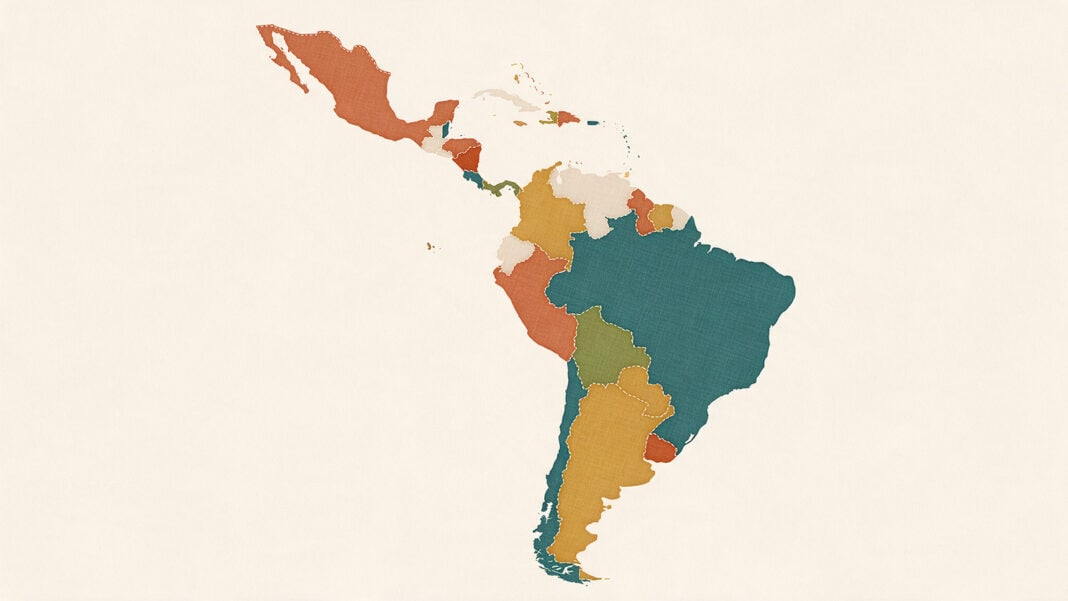
Starting in the 1990s, around the 500th anniversary of 1492, Indigenous movements pushed back on celebrating the arrival at all. The renamings came fast:
| Country | What October 12 is called now | Since |
|---|---|---|
| Costa Rica | Día de las Culturas | 1994 |
| Chile | Día del Encuentro de Dos Mundos | 2000 |
| Venezuela | Día de la Resistencia Indígena | 2002 |
| Nicaragua | Día de la Resistencia Indígena, Negra y Popular | 2007 |
| Peru | Día de los Pueblos Originarios y del Diálogo Intercultural | 2009 |
| Argentina | Día del Respeto a la Diversidad Cultural | 2010 |
| Bolivia | Día de la Descolonización | 2011 |
| Ecuador | Día de la Interculturalidad y Plurinacionalidad | 2011 |
| Uruguay | Día de la Diversidad Cultural | 2014 |
| Colombia | Día de la Raza y la Hispanidad (unchanged) | — |
| Mexico | Día de la Raza, increasingly “Día de la Nación Pluricultural” | 2020 |
Read the names in order and you can watch a continent change its mind. “Encounter” gives way to “resistance,” then to “diversity” and “decolonization.” Only Colombia and Spain kept the original framing.
The US went the other direction, then turned
In the US, October 12 became Columbus Day in 1937 under Franklin Roosevelt, pushed by the Knights of Columbus and Italian American groups who wanted a holiday honoring an Italian at a time when Italians faced heavy discrimination. In 1971 it moved to the second Monday of October.
The turn came from the West. South Dakota made it Native American Day in 1990. Berkeley, California declared the first Indigenous Peoples’ Day in 1992, the 500th anniversary. Dozens of states and hundreds of cities followed. In 2021 Joe Biden issued the first presidential proclamation of Indigenous Peoples’ Day, alongside Columbus Day. Both names now share the Monday.
In 2026 the second Monday is October 12, so for once the American holiday and the actual date line up. It’s also Canadian Thanksgiving, for the Toronto readers.
What Wehpa calls it
We don’t fight over the name. We use the day for what Vasconcelos and the Indigenous movements were both getting at from different sides: this hemisphere is mixed, that mix was born in violence, and the people who survived it built every culture this site covers. The Garífuna are October 12. Afro-Mexico is October 12. The foods that fed the world are October 12.
Call it whatever your country calls it. Know why.
Frequently Asked Questions
What is Día de la Raza?
The Latin American observance of October 12, the anniversary of Columbus’s 1492 arrival. Originally framed as a celebration of shared Hispanic identity and mestizaje, it has been renamed in most countries to emphasize Indigenous peoples and cultural diversity.
What does “raza” mean in Día de la Raza?
Not “race” in the English sense. It refers to the people of Latin America as a mixed community, an idea associated with José Vasconcelos’s La Raza Cósmica (1925).
Is Día de la Raza the same as Columbus Day?
Same date, different meaning. Columbus Day (US, 1937) honors Columbus. Día de la Raza has always been about the peoples of the Americas, and most countries have since renamed it to remove Columbus from the frame entirely.
What is Día de la Raza called in different countries?
Venezuela: Día de la Resistencia Indígena. Argentina: Día del Respeto a la Diversidad Cultural. Chile: Día del Encuentro de Dos Mundos. Costa Rica: Día de las Culturas. Bolivia: Día de la Descolonización. Spain: Día de la Hispanidad.
When is Indigenous Peoples’ Day 2026?
Monday, October 12, 2026, the second Monday of October, shared with Columbus Day.
Watch on Wehpa
Why Hispanic Heritage Month starts September 15, Hispanic vs Latino, the Garífuna story. Wehpa TV is free on Roku.