
The short version: Hip-hop is widely traced to a back-to-school block party in the Bronx on August 11, 1973, thrown by Cindy Campbell and DJed by her Jamaican-born brother DJ Kool Herc. He brought Jamaican sound-system culture to New York and stretched the instrumental break of funk records so dancers could keep going, creating the breakbeat that became hip-hop. It is one of many things Caribbean immigrants gave American culture.
June is Caribbean American Heritage Month, and most people scroll right past it. That’s a shame, because the Caribbean — including its Spanish-speaking islands, Puerto Rico, Cuba, and the Dominican Republic — has shaped American culture so deeply that you can’t separate the two anymore. The biggest example is one almost nobody connects to the islands.
Hip-hop was born from a Jamaican block party
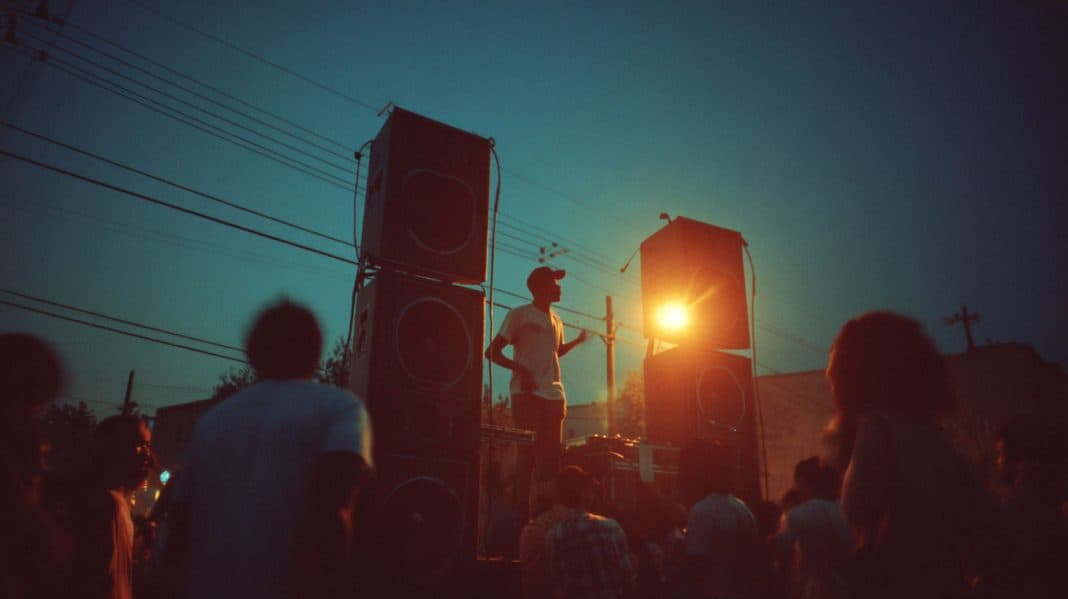
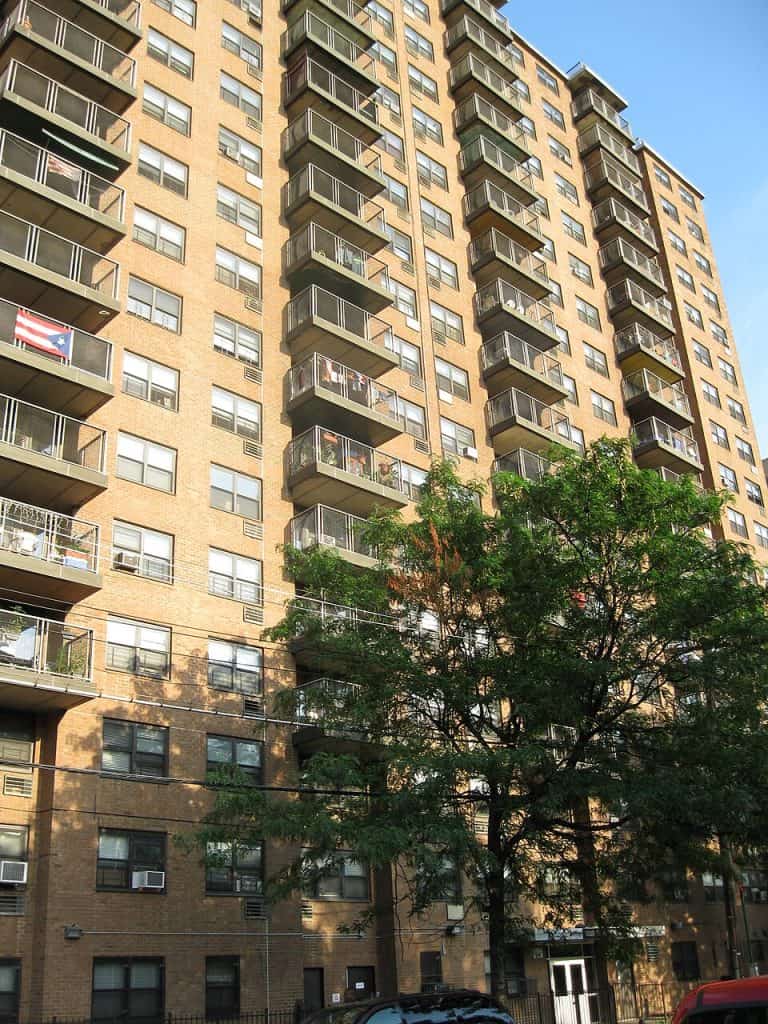
On August 11, 1973, Cindy Campbell threw a back-to-school party in the rec room of 1520 Sedgwick Avenue in the Bronx. It was her party — she organised it, made the flyers by hand and charged at the door to raise money for school clothes. She asked her 18-year-old brother Clive to DJ. You know him as DJ Kool Herc. He was born in Kingston, Jamaica, and he brought the island’s sound-system culture with him — massive speakers, a DJ working the crowd, and a trick of extending the instrumental “break” of a record so dancers could go off. That break became the breakbeat. The breakbeat became hip-hop.
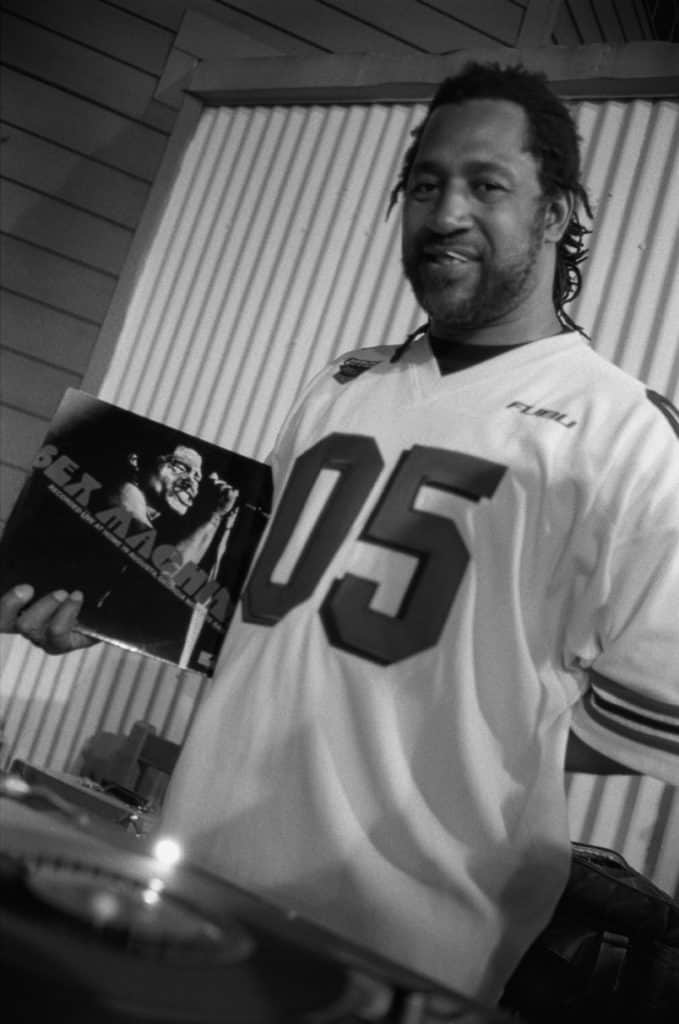
The genre that became America’s dominant cultural export started as a Jamaican immigrant doing what DJs did back home. And the Caribbean thread never left it: Notorious B.I.G. (Jamaican roots), Busta Rhymes (Jamaican), Nicki Minaj (Trinidadian), Cardi B (Dominican and Trinidadian), and the entire reggae-to-rap pipeline all run straight back to the islands.
6 more the Caribbean quietly gave America
1. The first Black woman to seek a major party’s presidential nomination. Shirley Chisholm — daughter of Caribbean immigrants, a Guyanese father and a Barbadian mother — became the first Black woman elected to Congress in 1968, then campaigned for the Democratic nomination in 1972. “Unbought and unbossed.” (A precision worth keeping: Charlene Mitchell ran for president in 1968 on the Communist Party ticket and was the first Black woman on a government-printed presidential ballot. Chisholm’s first was the major-party nomination.)
2. The food on your block. Jerk chicken, beef patties, roti, rice and peas, oxtail — Caribbean food is now a fixture of every major American city, especially New York, where the line between “Caribbean” and “New York” food has basically dissolved.
3. The biggest street party in the country. The West Indian Day Parade in Brooklyn draws over a million people every Labor Day — Carnival culture, soca and steel pan, transplanted whole from Trinidad and the wider Caribbean.
4. The roots of reggaeton and salsa. Reggaeton was built in Puerto Rico on a Panamanian-Jamaican dembow foundation. Salsa was assembled in New York by Cuban and Puerto Rican musicians. The sound of Latin music’s global takeover is Caribbean to its core. (We’ve got a whole piece coming on each.)
5. The thinkers who shaped Black America. Marcus Garvey (Jamaican) built the largest Black movement in U.S. history. Arturo Schomburg (Puerto Rican) built the archive that saved Black history. Caribbean immigrants didn’t just join American Black culture — they helped build its intellectual backbone.
6. The icons we claim as simply “American.” Sidney Poitier (Bahamian), Harry Belafonte (Jamaican heritage), Colin Powell (Jamaican parents), Kamala Harris (Jamaican father). The “American” story keeps quietly omitting the word Caribbean in front of it.
Why say it out loud
The Caribbean gets treated as a vacation, not a civilization — beaches and rum in the ads, and not much else. But the islands have been exporting culture to the mainland for a century: the music you stream, the food you order, the movements that changed the country. This month is a good time to put the credit where it belongs — and to notice how much of what we call “American” arrived on a boat or a plane from somewhere a lot smaller, and a lot louder.
Watch on Wehpa
For more on the Caribbean roots running through American and Latino culture, head to Wehpa TV — free on Roku.
Frequently asked questions: who invented hip-hop?
Who invented hip-hop?
Hip-hop was is most often credited to DJ Kool Herc (Clive Campbell), a Jamaican immigrant, at a Bronx block party on August 11, 1973 organised by his sister Cindy Campbell. By extending the instrumental break of funk and soul records, he created the breakbeat that became the foundation of hip-hop.
Where was hip-hop created?
Hip-hop was born at 1520 Sedgwick Avenue in the Bronx, New York City, where DJ Kool Herc threw a back-to-school party in the building rec room in the summer of 1973.
How did Jamaican culture influence hip-hop?
DJ Kool Herc brought Jamaican sound-system culture to the Bronx: massive speakers, a DJ working the crowd, and toasting over records. Those traditions directly shaped the DJing and MCing at the heart of hip-hop.
Was Shirley Chisholm the first Black woman to run for president?
Not quite. Charlene Mitchell ran for president in 1968 on the Communist Party ticket and was the first Black woman to appear on a government-printed presidential ballot. Shirley Chisholm — the daughter of a Guyanese father and a Barbadian mother — was the first Black woman to campaign for a major party’s nomination, running for the Democratic nomination in 1972. She had become the first Black woman elected to the U.S. Congress in 1968.
What did Caribbean immigrants give American culture?
Beyond hip-hop, Caribbean immigrants shaped American food (jerk chicken, beef patties, roti), the West Indian Day Parade, the roots of reggaeton and salsa, and thinkers like Marcus Garvey and Arturo Schomburg.
Sources
- “How Hip-Hop Was Born 50 Years Ago at a Block Party in the Bronx”, Smithsonian Magazine.
- “Founding Father DJ Kool Herc & First Lady Cindy Campbell Celebrate Hip-Hop’s 50th Anniversary”, The Recording Academy.
- “Shirley Chisholm for President”, National Museum of African American History and Culture, Smithsonian Institution.
- “A Black Woman Communist Candidate: Charlene Mitchell’s 1968 Presidential Campaign”, African American Intellectual History Society.
Researched and written by Victor Ramirez. Edited and fact-checked by Mia Alejandra Umphrey. Drafting assisted by AI; all facts verified against the sources above before publication. See our editorial standards.
Updated 27 July 2026: credited Cindy Campbell as the organiser of the 1973 party; corrected the claim that Shirley Chisholm was the first Black woman to run for president (Charlene Mitchell, 1968); removed a Wikipedia citation.
Correction, 26 July 2026. Two corrections. An earlier version told the story of hip-hop’s origin without Cindy Campbell, who organised the 1973 party, made the flyers and took the money at the door — it was her event. And it described Shirley Chisholm as the first Black woman to run for president; Charlene Mitchell ran in 1968, four years earlier. Chisholm was the first to seek a major party’s nomination. All corrections.
Part of our guide to Latin Music History.