
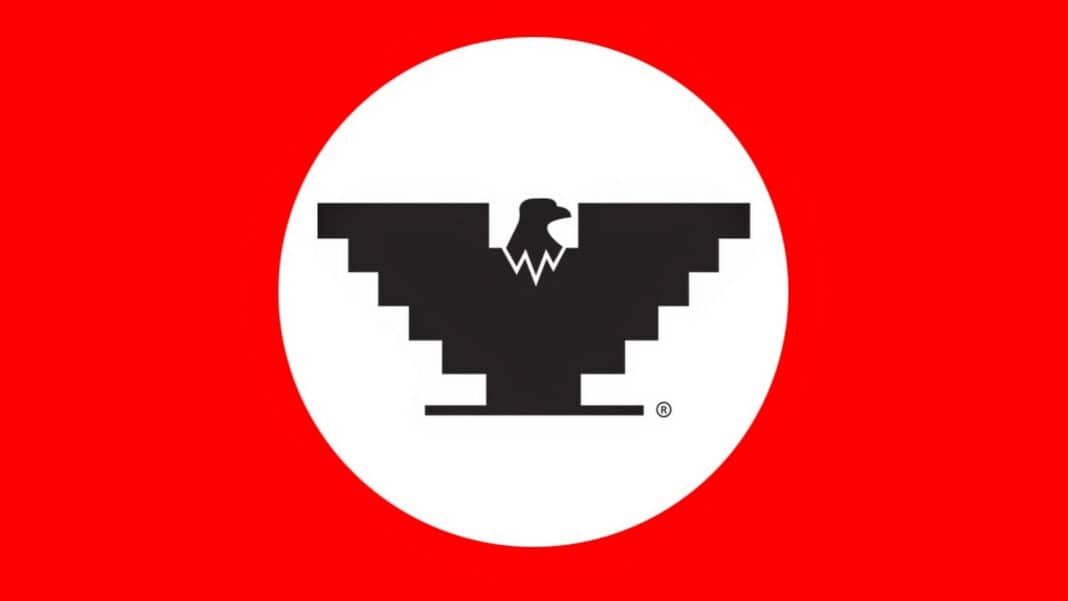
César Chávez and Dolores Huerta co-founded what became the United Farm Workers in 1962, ran the Delano grape strike and boycott, and won union contracts from California’s most powerful growers. Huerta coined “Sí se puede.” Both received the Presidential Medal of Freedom.
The campaign took five years and never once turned violent. That was the strategy, not an accident of it.
Two organisers, two different strengths
Chávez was born in 1927 near Yuma, Arizona, into a family that lost its farm in the Depression and joined the migrant labour stream across the Southwest. Huerta was born in 1930 in Dawson, New Mexico, and raised in Stockton, California, where she trained as a teacher before concluding she could do more for children by organising their parents.
They met through community organising in the late 1950s. In 1962 they co-founded the National Farm Workers Association in Delano, funded out of their own pockets. The partnership worked because the two halves were different: Chávez the disciplined public and moral centre, Huerta the negotiator and lobbyist who did the work at the bargaining table and in the statehouse.
Delano
On 8 September 1965, mostly Filipino American workers with the Agricultural Workers Organizing Committee walked off vineyards around Delano. A week later Chávez and Huerta’s largely Mexican American association voted to join them. According to the National Park Service, the two groups merged into the United Farm Workers, and the strike became one of the most significant labour campaigns in American history.
That detail is worth holding onto: the strike was started by Filipino workers, and the version most people remember begins a week later. The alliance across two immigrant communities is what gave it weight.
Huerta then directed a national consumer boycott of California table grapes — a simple ask, made to ordinary shoppers: leave the grapes on the shelf until growers sign. Millions did.
- The strike and boycott ran roughly five years.
- Tactics stayed strictly nonviolent, including marches and Chávez’s public fasts.
- By 1970 major grape growers had signed UFW contracts.
Where “Sí se puede” came from
The phrase was Huerta’s. As the US National Archives records, she coined “Sí se puede” in 1972 in Arizona, while organising farmworkers against a law banning boycotts and strikes. It became the UFW’s rallying cry and, decades later, travelled far beyond the fields — including into a presidential campaign, in translation.
The community these two organised gets described as Hispanic, Latino or Chicano depending on who is speaking, and the distinctions matter — see our guide to the difference. Chávez and Huerta identified with the Chicano movement their work helped energise.
Recognition
The UFW became the first farmworkers’ union accepted into the AFL-CIO, recognised in August 1972, per the Library of Congress. Chávez was awarded the Presidential Medal of Freedom posthumously in 1994, the year after he died. Huerta received it in 2012. Several states observe César Chávez Day on 31 March, his birthday.
Frequently Asked Questions
Did César Chávez and Dolores Huerta found the United Farm Workers together?
Yes. In 1962 they co-founded the National Farm Workers Association in Delano, California, which merged with a Filipino American workers’ organisation to become the United Farm Workers.
Who said “Sí se puede” first?
Dolores Huerta coined it in 1972 while organising farmworkers in Arizona against a law banning boycotts and strikes. It became the UFW’s signature phrase.
What was the Delano grape strike?
A strike begun on 8 September 1965 by mostly Filipino American workers, joined a week later by Chávez and Huerta’s association. It grew into a national consumer boycott of California table grapes and won union contracts by 1970.
Who actually started the Delano strike?
Filipino American workers with the Agricultural Workers Organizing Committee walked out first. The Mexican American association led by Chávez and Huerta joined a week later, and the two merged into the UFW.
Did both leaders receive the Presidential Medal of Freedom?
Yes — Chávez posthumously in 1994, and Huerta in 2012.
Is there a holiday for César Chávez?
Several states, including California, observe César Chávez Day on 31 March, his birthday.
Farm labour organising is one strand of a longer fight for standing — see the zoot suit, Afro-Mexican history, and Caló.
Sources
- “Workers United: The Delano Grape Strike and Boycott” US National Park Service.
- “Dolores Huerta: Sí Se Puede” Pieces of History, US National Archives.
- “UFW Recognized” This Month in Business History, Library of Congress.
Researched and written by Victor Ramirez. Edited and fact-checked by Mia Alejandra Umphrey. Drafting assisted by AI; all facts verified against the sources above before publication. See our editorial standards.

Part of our guide to Latino Identity Explained.