On June 19, 1865, a Union general named Gordon Granger rode into Galveston, Texas, and read General Order No. 3: all enslaved people in Texas were free. It was two and a half years after the Emancipation Proclamation — word, and enforcement, had simply taken that long to arrive. That day became Juneteenth AfroLatino, and in 2021 it became a U.S. federal holiday.
Juneteenth is, specifically and rightly, an African American holiday. But the story it tells — of African people stolen, enslaved, and freed across the Americas — is far bigger than the United States. And a huge part of it is Latino. If you don’t know that, it’s because the way the slave trade gets taught in this country quietly erases where most of its victims actually ended up.
The number that reframes everything
Historians estimate the transatlantic slave trade forcibly carried roughly 12.5 million Africans to the Americas. Of those, fewer than 400,000 — under 4% — were brought to what is now the United States.
The other 96% went south. Brazil alone imported nearly 5 million enslaved Africans — more than any other country on Earth. The Caribbean — Cuba, Haiti, Puerto Rico, the Dominican Republic, Jamaica — took millions more. Colombia, Venezuela, Mexico, Peru: all of them.
In other words, the African diaspora in the Americas is overwhelmingly a Latin American story. The descendants of those millions are AfroLatinos — Black Cubans, Black Brazilians, Black Dominicans, Black Puerto Ricans, Black Colombians, Black Mexicans — and they have been here, building these cultures, the entire time.
Emancipation didn’t happen on one day, or in one country
If Juneteenth marks the long, uneven road to freedom in the U.S., the rest of the hemisphere ran its own version of that road:
- Haiti, 1804 — enslaved people overthrew the French and founded the first Black republic in the world. The first.
- Mexico, 1829 — abolished slavery decades before the U.S., which is part of why enslaved people in Texas fled south across the Rio Grande to freedom.
- Puerto Rico, 1873 and Cuba, 1886 — emancipation under Spanish rule.
- Brazil, 1888 — the last country in the Americas to abolish slavery, with the Lei Áurea (Golden Law).
Freedom came in different years, by different means — revolt, law, war — but it was the same struggle, fought by the same diaspora.
Why AfroLatinos get erased from both sides
Here’s the bind. In the U.S., “Latino” gets coded as a single brown shade, so Black Latinos get told they’re “not really” Latino. And “Black history” often gets framed as strictly African American, so AfroLatinos get told that isn’t their story either. They end up erased twice — too Black for one box, too Latino for the other.
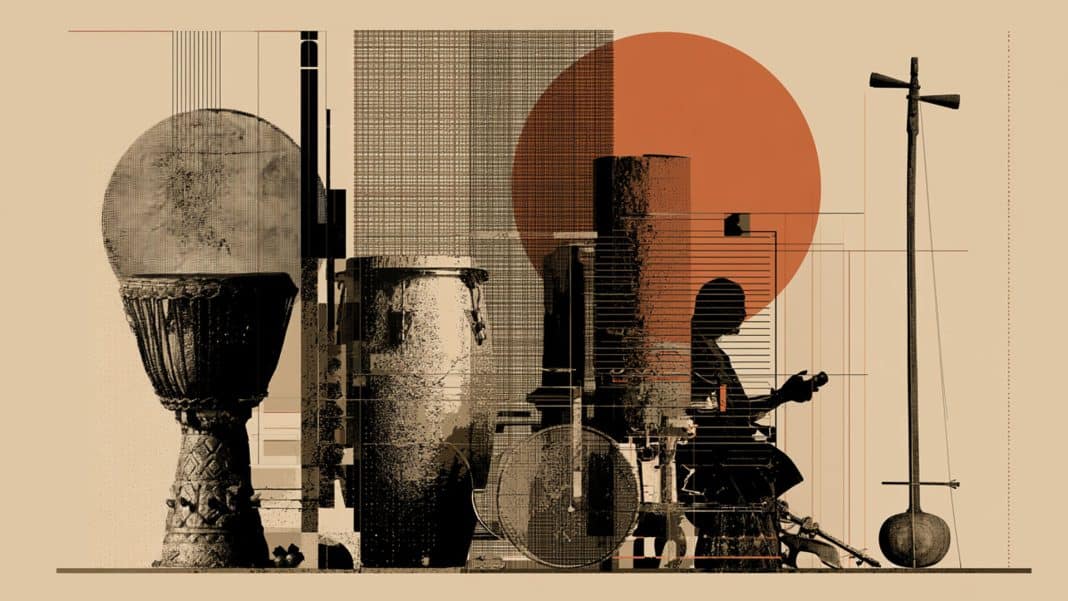
Juneteenth is a chance to widen the frame. The Garifuna, the Afro-Cuban son and rumba, Brazilian samba and capoeira, Puerto Rican bomba, Dominican merengue, the entire rhythmic backbone of Latin music — all of it is Black. All of it descends from the same people Juneteenth is about.
What to do with this
Celebrate Juneteenth as what it is — an African American holiday earned in American blood. And let it open the door to the bigger truth: Black liberation in the Americas is one connected story, and Latinos are not separate from it. Many of us are it.
Ask the AfroLatinos in your own family and community what freedom looked like where they’re from. The answers go a lot further back than Galveston — and they’re all part of the same June.
What to do with the Juneteenth AfroLatino story
Celebrate Juneteenth as what it is — an African American holiday earned in American blood. And let it open the door to the bigger truth: Black liberation in the Americas is one connected story, and Latinos are not separate from it. Many of us *are* it.
Watch on Wehpa
For more on the African roots running through all of Latin culture, head to Wehpa TV — free on Roku.