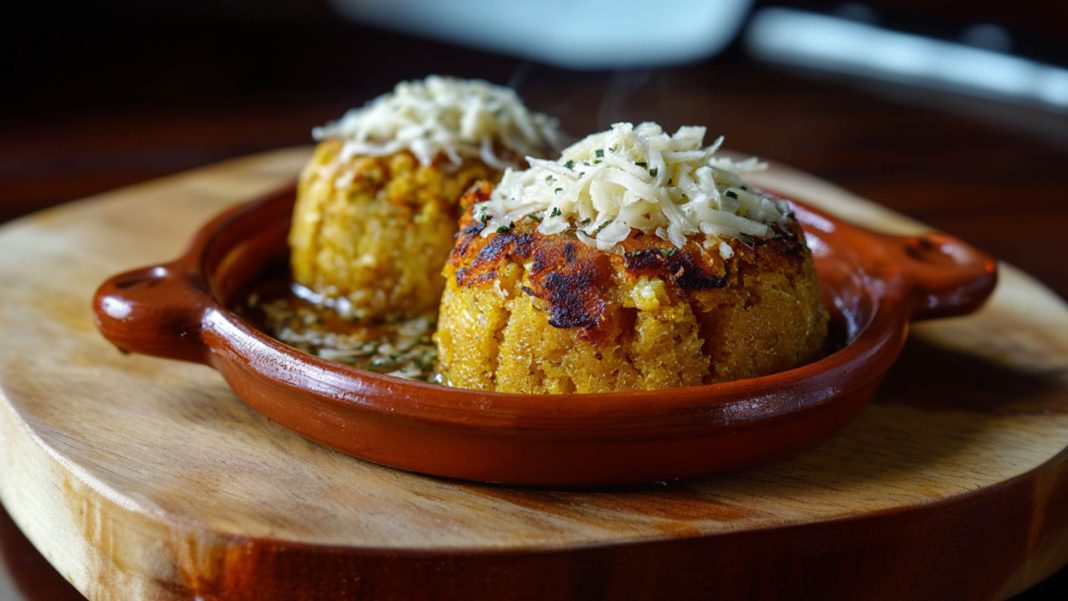
Refined Carbohydrates
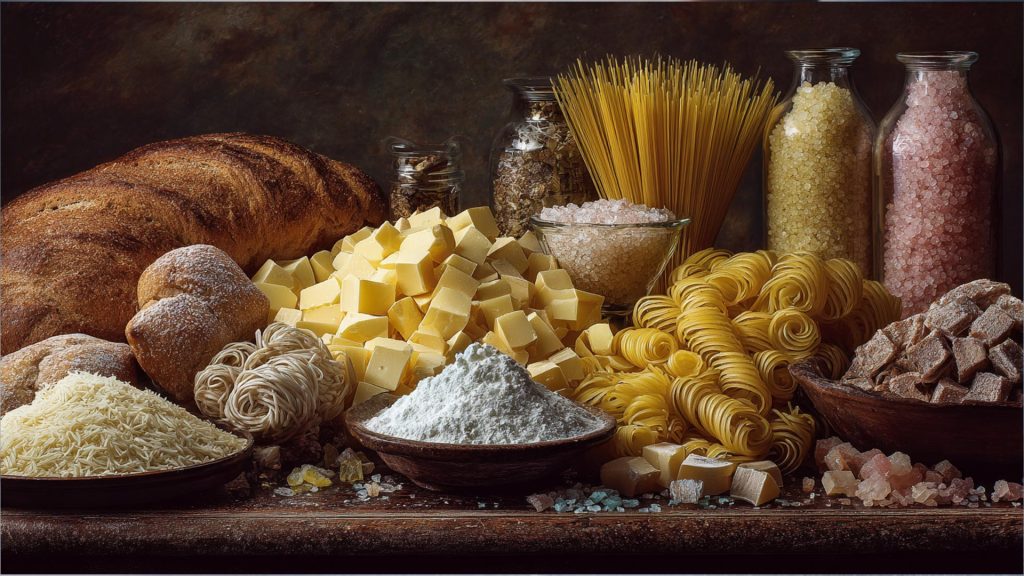
Are grain-based foods that have been heavily processed, making them less nutritious but more appealing. Common examples include bread, crackers, cereal, pasta, pretzels, rice cakes, and granola bars.
These foods quickly convert to sugar (glucose) in the bloodstream, giving them a high glycemic index. Research shows that diets high in glycemic load are linked to increased cancer risk, higher recurrence rates, and lower survival.
When energy is low, foods like pasta or cereal may feel convenient, but they don’t support healing or recovery, and may even work against it. The impact can be reduced by adding fibre and pairing carbohydrates with protein and healthy fats, which helps slow blood sugar spikes and lessen their effect on the body.
Bad Fats
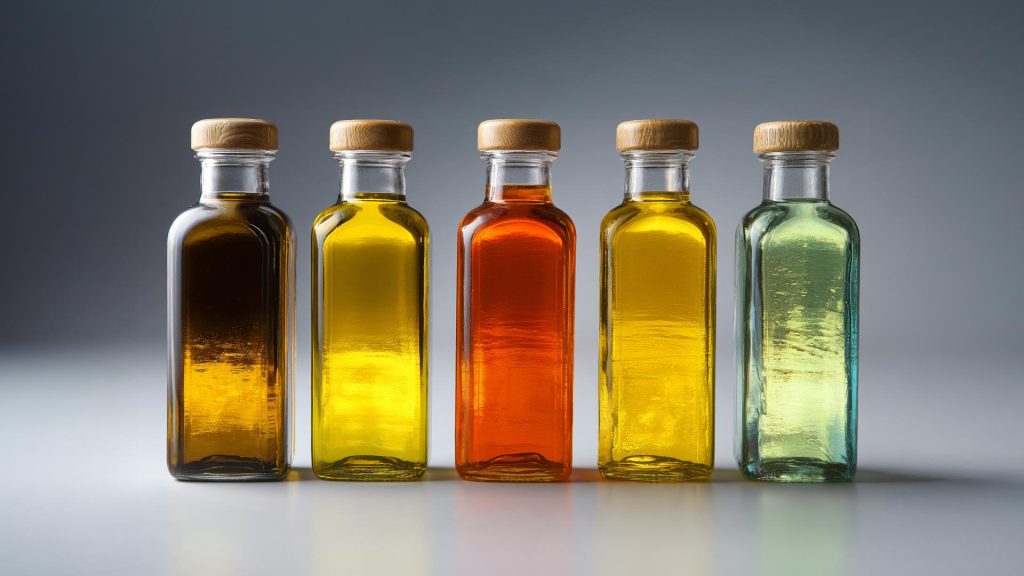
Not all fat is bad. In fact, some fats support healing, even during cancer recovery. The problem is that many common “comfort” fats do more harm than good.
The most harmful types include hydrogenated oils, fried oils, and industrial seed/vegetable oils. These oils like canola, corn, soybean, sunflower, safflower, and margarine, are often mistaken as healthy. These oils are high in inflammatory omega-bs, and some (like canola) are heavily processed using chemicals.
While fried foods and chips are obvious sources, these oils also hide in processed foods like salad dressings, sauces, breads, and crackers. The best way to avoid them is to read labels and limit processed foods.
Sugar
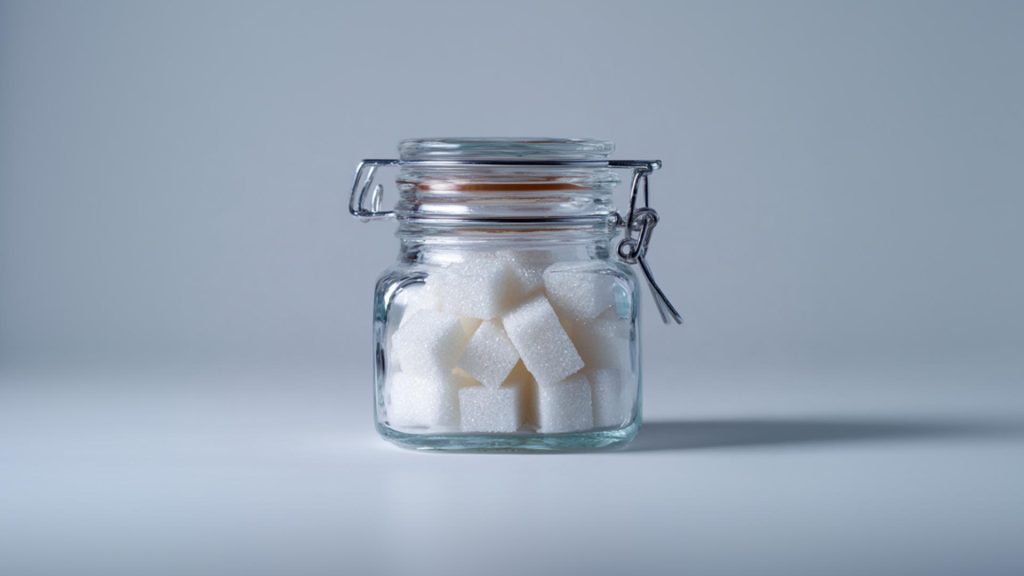
Sugar fuels cancer growth.
It’s often used for comfort during stress or illness, but sugar interferes with the body’s ability to heal and recover from cancer.
Sugar promotes cancer by increasing inflammation, feeding cancer cells through glucose, raising insulin levels, and suppressing the immune system. High blood sugar creates an environment where cancer cells grow, survive, and spread more easily.
Cravings are real-but choosing alternatives that stabilize blood sugar can better support healing and recovery.
Processed Meat
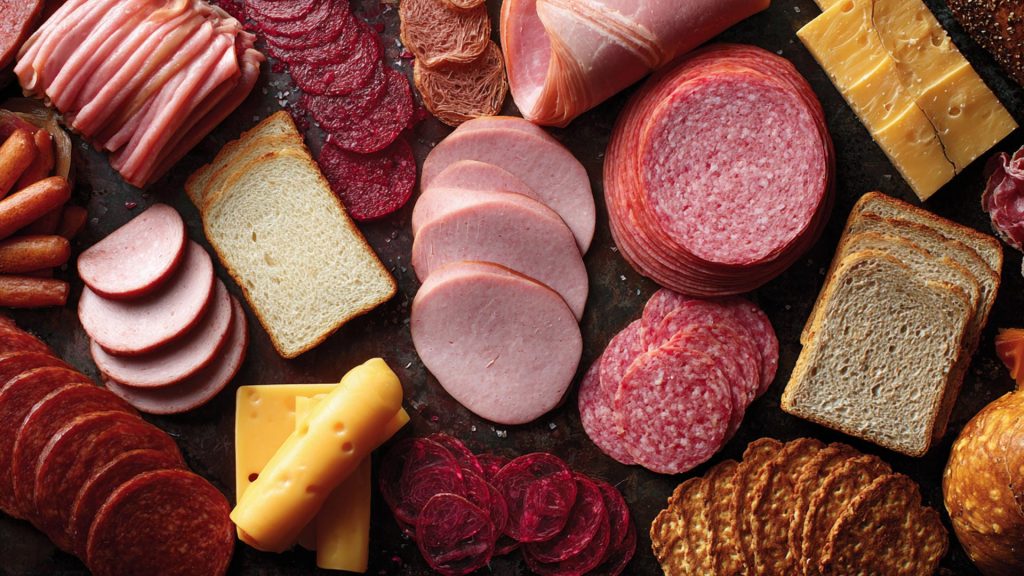
Research on animal foods and cancer is mixed, but one thing is clear: processed meats are the most concerning. These are meats like pork or beef that are salted, cured, or smoked.
Processed meats contain cancer-linked compounds such as nitrates, heterocyclic amines (HCAs), and polycyclic aromatic hydrocarbons (PAHs). Common examples include bacon, sausage, salami, pepperoni, ham, and beef jerky.
While they’re often quick comfort foods during stressful times, relying on processed meats for protein -especially during treatment- it can do more harm than good.
* *No material on this post is intended to be a substitute for professional medical advice, diagnosis or treatment. It is for informational purposes only and should not be considered professional medical advice. Always consult a doctor.