If there is one dish that exposes the messy, beautiful, painful, and proud history of the African diaspora in the Americas, it’s mofongo. Puerto Ricans defend it like a flag. Dominicans argue the technique runs through their history too. Haitians point to tonmtonm as the deeper, older root. Jamaicans insist mashed plantain traditions existed long before Caribbean borders were even drawn. And then Ecuador steps in — quietly, confidently — with bolón de verde, a plantain mash so similar to mofongo that it forces the entire region to question everything they thought they knew about who really started what.
Let’s start with the truth most people avoid because it disrupts national pride: mofongo is not originally Puerto Rican, Dominican, Haitian, Jamaican, or Ecuadorian — it is originally African. The pounding, mashing, and shaping of starchy vegetables comes directly from West African fufu traditions. When enslaved Africans were forced into the Caribbean and Pacific coast, they carried their culinary memory with them, even when they could carry nothing else. Plantains replaced yams. Pork replaced smoked meats. Garlic replaced ancestral herbs. From these substitutions, a family of “mofongo cousins” spread across the region.
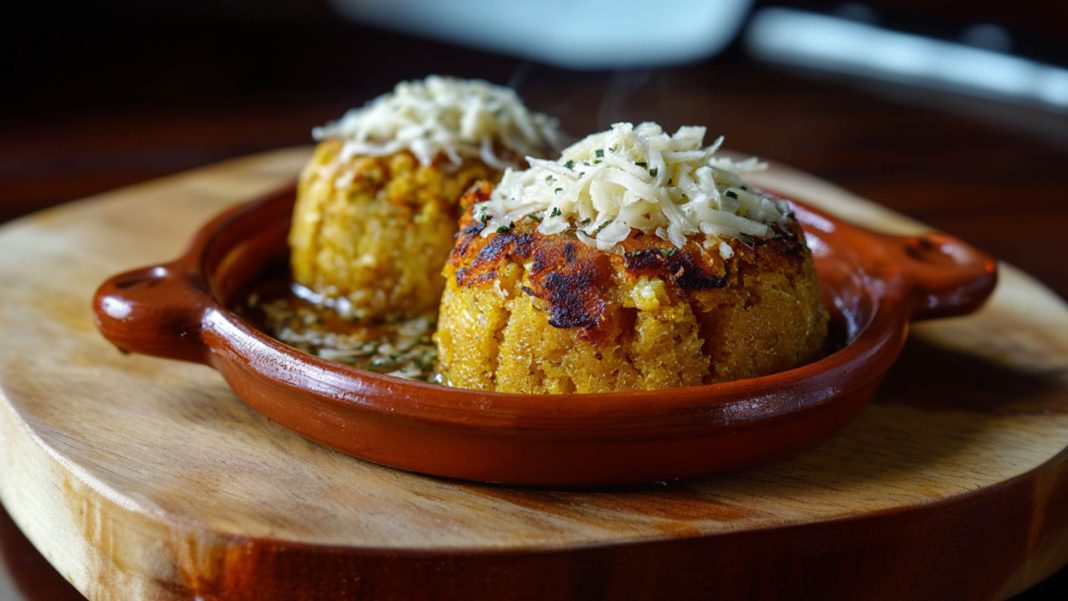
Puerto Rico, however, is where the modern mofongo — the one the world recognizes — took shape. Africans on the island fried green plantains, mashed them with garlic, olive oil, and chicharrón, and created a dish that became inseparable from Puerto Rican identity. In 1859, Puerto Rico published the first known printed recipe (mofongo criollo) — officially documenting the dish. This is why Puerto Rico claims ownership, and they’re right about that version. But written recipes do not equal origins. The dish existed long before anyone decided to put it on paper.
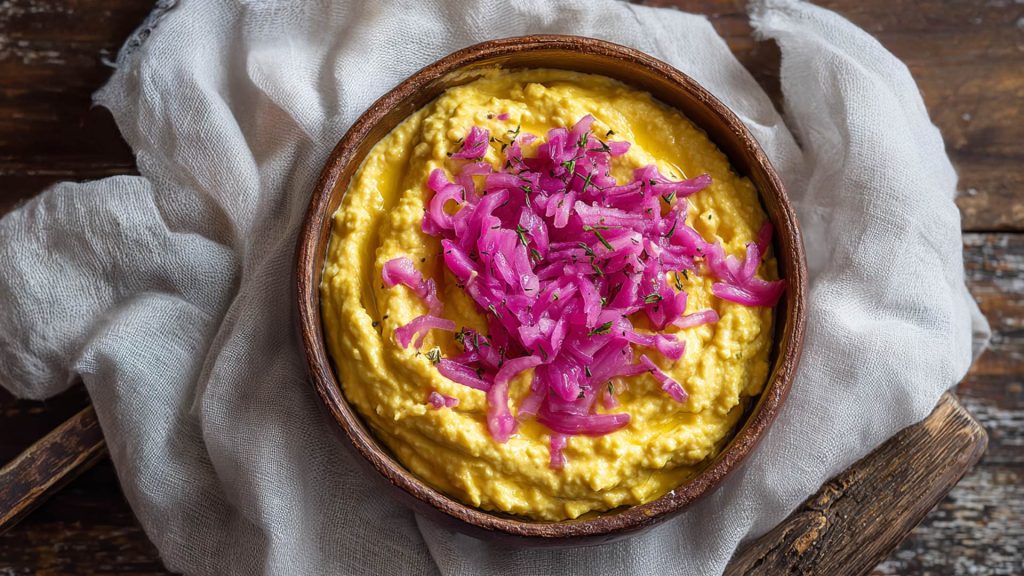
Across the Mona Passage, the Dominican Republic developed mangú, the boiled version of African fufu. Same ancestry. Different preparation. Mangú is softer, wetter, and tied to Dominican breakfast culture with fried cheese, eggs, and salami. Meanwhile, in Afro-Dominican communities, “mofonguitos” and fried plantain mashes blur the line between mangú and mofongo. Dominicans argue African techniques didn’t stop at a border — and they’re absolutely right.
Haiti deepens the story. The Haitian dish tonmtonm, made from pounded breadfruit or plantains, preserves one of the most direct culinary connections to West Africa in the entire hemisphere. The technique — using a wooden pilón to pound hot starch into a communal mash — is nearly identical to African fufu traditions. When Haitians say Puerto Rico didn’t invent the technique, they’re not being petty. They’re telling the truth. Tonmtonm and mofongo aren’t distant cousins; they’re twins separated by forced migration.
Then there’s Jamaica — home to mashed plantain fritters, African-influenced bammy, and Maroon communities that kept ancestral foodways alive. Jamaicans don’t claim mofongo, but they do claim the African culinary DNA that made it possible. Their mashed plantain dishes are not imitations; they are parallel evolutions rooted in the same history of survival. If the debate is about who used African plantain-mash techniques, Jamaica absolutely belongs in the conversation.
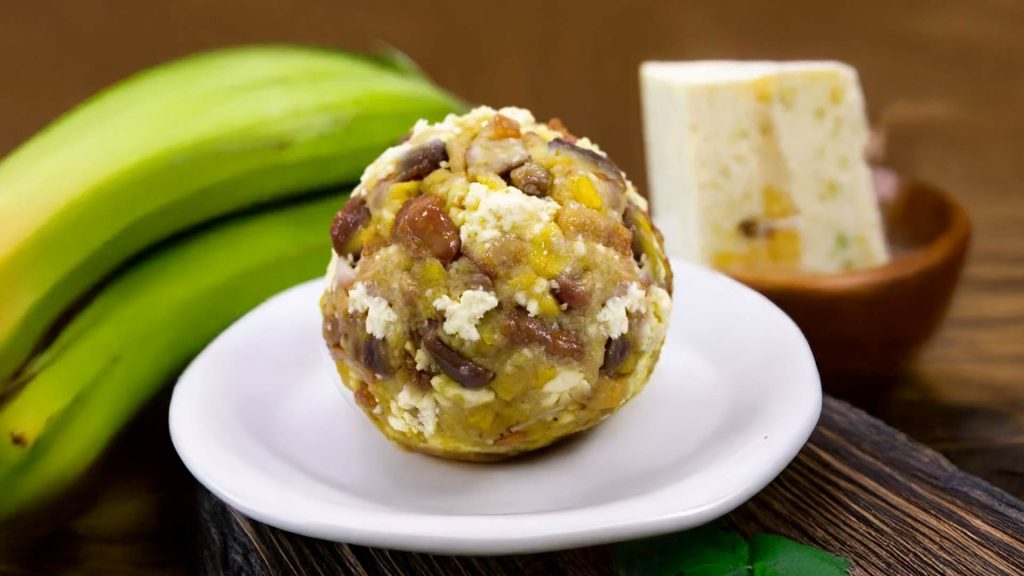
And now comes the plot twist almost nobody talks about: Ecuador also has a mofongo cousin — and its lineage runs deep. On the Pacific coast, especially in Afro-Ecuadorian communities in Esmeraldas, Manabí, and the Chota Valley, Africans preserved the same fufu-style pounding techniques brought across the Atlantic. By the 1600s–1700s, Ecuador already had bolón de verde, a 400-year-old plantain mash mixed with pork, cheese, or chicharrón, shaped by hand, and often eaten with seafood encocado. Bolón isn’t a copy, and it isn’t “Caribbean-inspired.” It is an independent Afro-diasporic creation, born from the exact same African culinary memory that shaped Puerto Rican mofongo and Dominican mangú — but with its own coastal identity and history that predates most written Caribbean recipes.
So who actually invented mofongo? It depends on what you mean. If you mean the specific fried-plantain-garlic-chicharrón version the world knows today, then yes — Puerto Rico rightfully owns that crown. But if you mean the culinary technique, the pounding, mashing, shaping, and seasoning of starchy foods into a communal dish, then Africa invented it long before any nation in the Americas existed. And if the debate shifts to the first plantain mash in Latin America, then Ecuador suddenly enters the ring with a 400-year-old bolón tradition that rarely gets mentioned because Caribbean voices dominate the narrative. The truth? Puerto Rico perfected it. Africa created it. Ecuador might have one of the oldest surviving versions on the continent. Mofongo is bigger than borders — it’s the taste of African survival reinvented across the Americas.